Discover Snails Pace Personalised Training
Accompanied Training
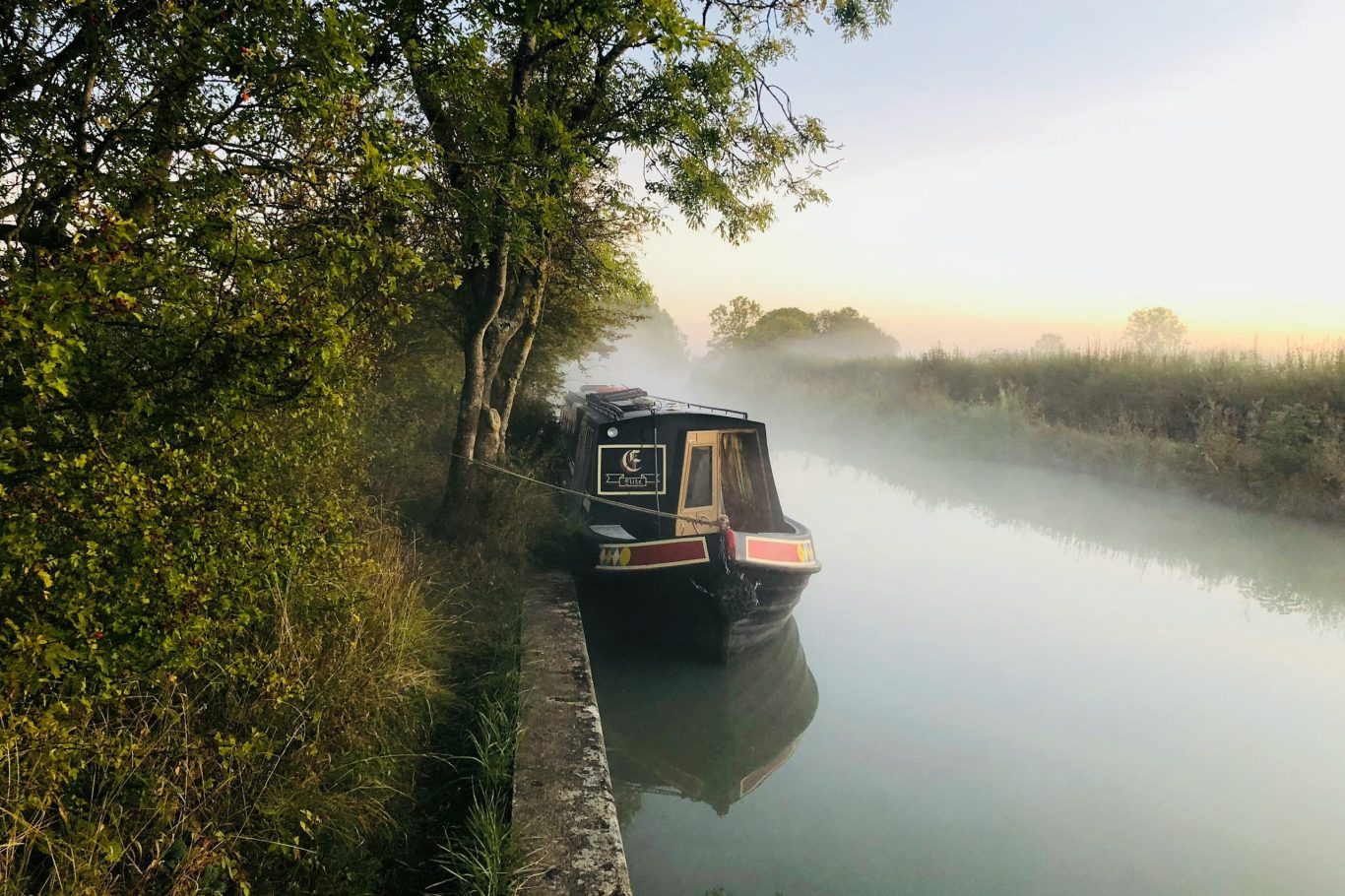
Travel with Snails Pace on your boat’s delivery to receive tailored, hands-on training in lock safety, rope handling, river navigation rules, and tight bend maneuvers. Our patient and experienced guidance ensures you gain practical knowledge and confidence navigating UK canals and the complex stretches of the non-tidal River Thames.
Personalised Training
You do not require any previous experience or a formal license to master canal locks, nautical rope work, and river navigation rules. When you book a trip through a reputable UK hire operator or training centre, professional instructors will step on board and travel the first portion of your journey with you.
If you decide to buy a inland vessel sometimes you are lest to find this out the hard way. This hands-on, live-water guidance ensures you gain confidence and practical capability before you take solo command of the vessel.
Breakdown of the exact skills, Safety protocols, and Techniques
1. Advanced Lock Operation & Water Control
Canal and river locks are massive engineering structures designed to move thousands of tonnes of water. Instructors demystify this process by breaking down the mechanics, physics, and safety protocols step-by-step:
- Mechanical Windlass Operation: You will learn the correct stance and grip to operate a lock key (windlass). Instructors emphasize how to securely engage the windlass on the spindle, operate the safety catch (pawl), and safely wind the "paddles" (the underwater sluice gates) up and down without risk of the handle flying back.
- Managing Hydrodynamic Forces: Opening paddles too quickly creates a violent surge of water that can throw a multi-tonne boat against concrete walls. Your instructor will teach you how to read the water, crack the paddles open incrementally, and manage the internal currents of the lock chamber to keep the boat stable.
- Avoiding the Deadly Underwater "Sill": When locking downhill (descending), the stern of the boat is at risk of getting caught on the "sill"—a massive, hidden stone ledge beneath the top gates. Instructors will train your crew to keep the boat well forward of this hazard, as getting hung up on the sill can cause the boat to tilt forward and sink within minutes.
- Team Communication & Etiquette: Operating a lock requires seamless coordination between the helmsman steering the boat and the crew working the ground paddles on the bank. You will establish clear hand signals, learn how to share wide locks with other boaters to conserve water, and understand how to politely queue during busy traffic periods.
2. Practical Rope Work, Knots, and Vessel Security
Securing a heavy steel narrowboat or motor cruiser requires strategic physics rather than raw physical strength. Experts will teach you how to make the boat's weight work with you:
- The Essential "Sipping" Technique: Inside an active lock, you must never tie your ropes tightly to a wall or bollard. As the water level shifts rapidly, a tied boat will either be left hanging in the air or dragged underwater. Instructors will teach you to loop the rope once around a bollard and hold the loose end, letting it slide smoothly through your hands to adjust the tension dynamically.
- The Core Inland Waterway Knots: You do not need to memorize dozens of maritime knots. Instructors focus heavily on perfecting just three high-utility techniques:
- Round Turn and Two Half Hitches: The gold standard for secure, reliable overnight mooring.
- Clove Hitch: Used for rapid, temporary tying up (such as waiting outside a lock).
- The T-Stud Lock: Safely wrapping a line around the boat’s metal mooring posts without trapping your fingers.
- Line Management and Deck Safety: Ropes left dragging in the water will inevitably wrap tightly around your spinning propeller, stalling the engine and leaving you stranded. You will learn how to neatly coil, stow, and throw lines safely across to crew members on the bank.
3. Rules of the River, Navigation, and Waterway Etiquette
3. Rules of the River, Navigation, and Waterway Etiquette
Navigating a flowing river with active currents, commercial traffic, and shifting sandbanks requires a completely different mindset than steering on a calm canal. Under expert guidance, you will master the "rules of the road":
- The Starboard Rule: Unlike driving a car on the left in the UK, the universal rule for all water vessels is to always pass oncoming boats on the right-hand side (port-to-port or starboard-to-starboard).
- Speed, Wake, and Wash Management: The statutory speed limit is typically 4 mph on canals and 5 mph on rivers. Instructors will teach you how to judge your "wash" (the waves created by your hull). You will practice dropping the engine down to a slow "tickover" speed well before passing moored boats to prevent your wake from violently rocking them and tearing their pins out of the bank.
- Navigating Rivers and Current Dynamics: Rivers possess powerful undercurrents and hidden hazards. Instructors will show you how to identify and steer clear of dangerous weirs, interpret navigation buoys, and always turn your boat around to moor facing directly into the upstream current, which drastically reduces the strain on your ropes and gives you far greater steering control.
- Right-of-Way Hierarchy: You will learn who has priority in tight spaces. Generally, boats travelling downstream (with the push of the current behind them) have the right of way because they are harder to stop. Furthermore, motorized holiday craft must always yield the path to unpowered recreational vessels, such as rowing teams, kayakers, and sailing boats